May 2026 / Build progress
Three months into building VitalScan
The first 90 days have been about turning a mobile diagnostics idea into something testable: demand capture, host outreach, paid reservations, and the first operating model.
Current focus: first unit buildout and Upstate New York host pipeline
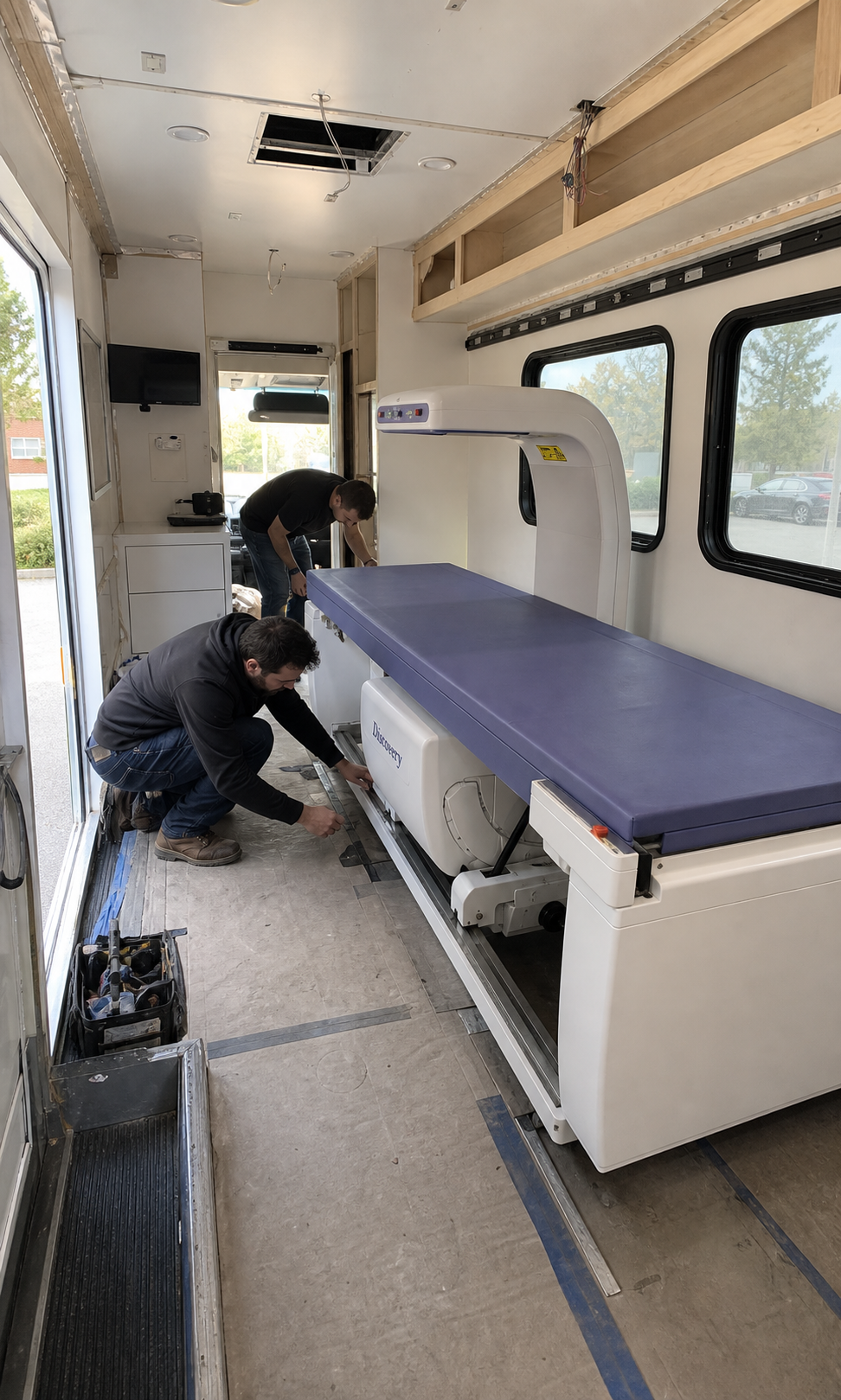
The goal is not to look like a finished fleet. The goal is to prove the launch path before we scale the route map.
The starting point
VitalScan started with a simple question: can advanced testing be brought into the places where people already train, recover, and manage their health, instead of forcing every customer into a traditional clinic path?
That question turned into a launch model built around hosted testing days. Gyms, wellness clinics, PT and recovery spaces, and performance facilities already have the trust and routine. VitalScan brings the booking flow, deposit collection, intake, reminders, testing workflow, and follow-up.
What has been built
The public site now supports ZIP-based demand capture, early-access reservations, a Stripe test deposit flow, service selection, tracking bundles, partner-location applications, and the core trust pages customers and hosts expect to see.
On the backend, the app has the shape of a real operating system: booking drafts, lifecycle events, message queues, Stripe webhook handling, partner lead capture, unsubscribe handling, and a protected message worker.
The work is still early, but the pieces now connect. A customer can raise their hand, a host can apply, and VitalScan can start reading where demand and host capacity line up.
What changed strategically
The vehicle decision changed the whole visual and operating direction. A standard cargo van was too tight for a credible DEXA workflow, so the launch standard moved toward a Ford/Starcraft cutaway body with enough width for the scanner, operator access, storage, privacy, power, and HVAC.
The public positioning changed too. Instead of pretending every market is already live, the site now frames reservations as early access and route demand. That makes the demo more honest and more useful.
What comes next
The next phase is about turning the launch system into a calendar: finish the first vehicle plan, keep host-location outreach moving, confirm the operating partner stack, and identify the first route where customer demand and host readiness are both strong.
September 2026 is the target for the first hosted testing days. The work between now and then is not cosmetic. It is vehicle, equipment, staffing, partner, privacy, and day-of-operations readiness.
Next step
Follow the September launch buildout.
VitalScan is collecting early customer demand and host-location interest while the first diagnostics vehicle and operating partner stack come together.